

Alcohol-Free Mojito
Built on balance, restraint, and good technique

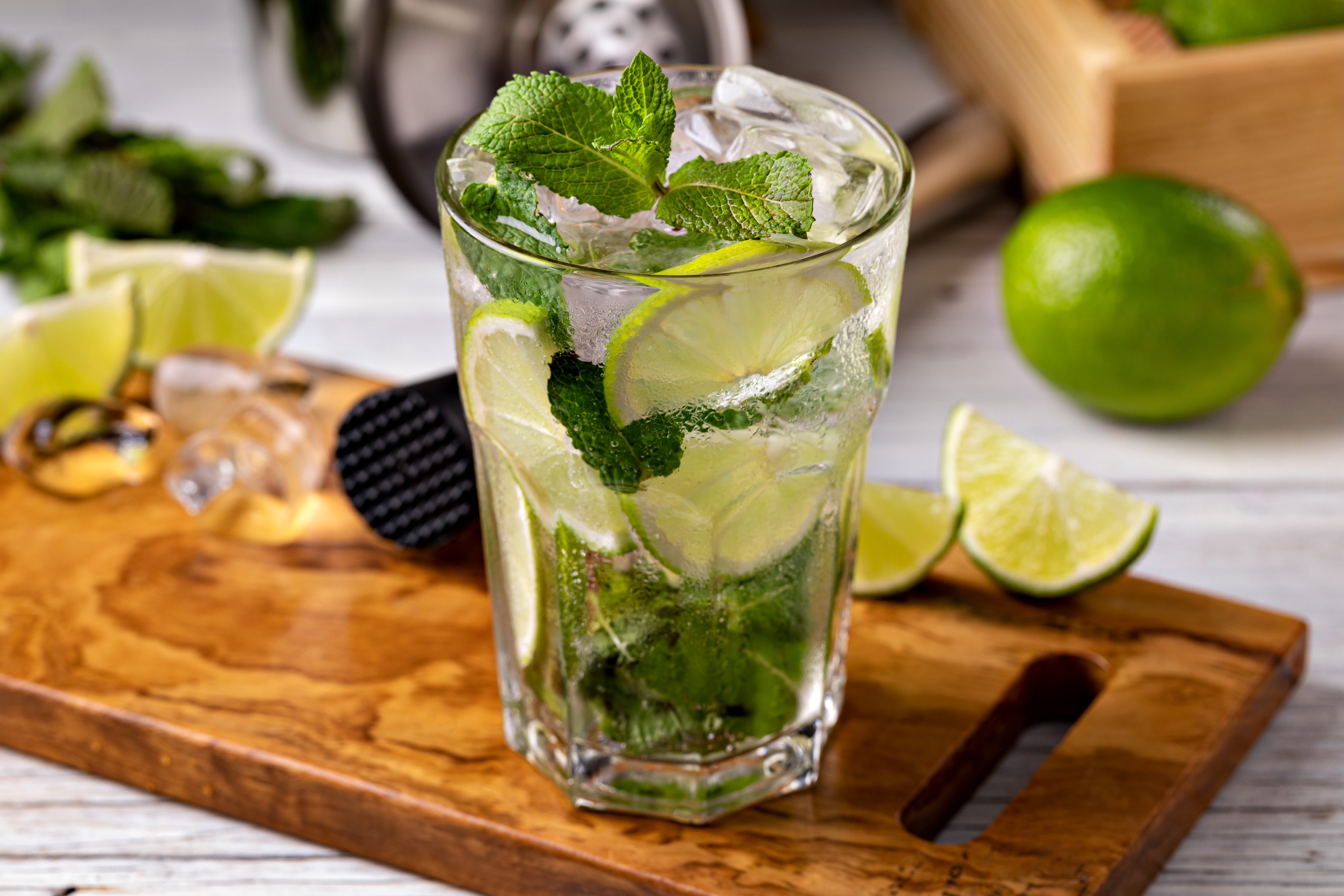
The history of the mojito is famously unclear. Its roots trace back to Havana, but beyond that the stories diverge. Some point to sugarcane fields. Others to medicinal tonics. What matters more than the origin story is what endured. A drink built on contrast. Bright citrus, fresh herbs, sweetness held in check, and enough structure to keep it refreshing rather than cloying.
The mojito works because it is simple and precise. When made well, it feels effortless. When rushed or overworked, it falls apart.
This alcohol-free mojito keeps the structure intact while shifting the focus to craftsmanship. Mint handling, balance, dilution, and build order matter more here than substitution ever could.
Craft notes: why this works
Mint is aroma first. You are not extracting flavor as much as inviting it into the drink.
Lime sets the frame. Fresh juice matters. Bottled juice flattens the drink.
Carbonation finishes the build. Add it last to preserve lift and clarity.
This drink succeeds when everything is restrained. Nothing should dominate.
Variations through technique, not novelty
The mojito is forgiving, but it rewards intention.
Substitute mint with basil or rosemary for a sharper herbal edge
Add muddled fruit like pineapple, strawberry, or mango before shaking
Use lavender or tarragon sparingly for floral or spice-driven variations
When working alcohol-free, the base provides structure. The craft comes from how you layer, muddle, and balance.
Why this belongs in Cr(af)t
The mojito is often treated as casual, but it is a technical drink in disguise. It teaches restraint. It rewards attention. And it proves that refreshment comes from balance, not alcohol content.
This version keeps the ritual, the cooling effect, and the clarity. It is a drink you can return to without cost, whether it is midday, evening, or anywhere in between.
If you want more recipes that treat alcohol-free drinks as something worth making well, subscribe to Cr(af)t for thoughtful, craft-first approaches to drinking differently.