


Most mocktails fail quietly.
They look right. They check the boxes. Citrus, sweetness, bubbles. Maybe a pretty garnish. But something feels unfinished. Thin. Temporary. Forgettable.
The issue usually isn’t the ingredients. It’s the thinking behind them.
A great mocktail isn’t defined by what’s in it. It’s defined by how it’s built.
If alcohol used to provide structure, weight, and warmth, then removing it means we have to be more deliberate, not less. A thoughtful mocktail isn’t about replacing rum or gin. It’s about understanding what those spirits contributed to the experience and rebuilding that structure in a different way.
That’s where the framework begins.
Balance is the Foundation
At its core, every good drink is a study in balance.
Sweetness without acidity feels heavy. Acidity without sweetness feels sharp. Bitterness without restraint feels aggressive. And without texture, even a well-balanced drink can feel hollow.
Alcohol often masked imbalance. Without it, everything is exposed. The sweetness of pineapple is more obvious. The edge of lime hits harder. Syrup becomes syrupy in a hurry.
A great mocktail manages sweetness carefully. It uses acid intentionally. It introduces bitterness with discipline. It considers mouthfeel as part of the design.
When a drink feels “grown up,” it’s usually because the sweetness has been restrained and something else has been allowed to lead. Citrus brightens. Bitters deepen. A pinch of salt softens sharp edges. Texture carries the drink across the palate so it doesn’t disappear the moment you swallow.
Balance isn’t flashy. But it’s what makes a drink feel complete instead of improvised.
Temperature and Dilution Matter More Than You Think
If balance is the foundation, temperature is the environment it lives in.
A mocktail that isn’t cold enough tastes flat. A mocktail diluted too quickly tastes thin. These aren’t minor details. They shape the entire experience.
Ice size matters. Crushed ice softens intensity and accelerates dilution. Large cubes preserve structure and slow the melt. Shaking introduces air and lightens the body of a drink. Stirring keeps it dense and controlled.
When someone says, “This was good at first, but then it wasn’t,” they’re usually describing a dilution problem.
A well-built mocktail is designed to evolve slowly. It should taste intentional at the first sip and still feel balanced ten minutes later. That kind of consistency doesn’t happen by accident. It happens because temperature and dilution were considered from the beginning.
Cold. Controlled. Measured.
Structure and Finish Create Presence
Alcohol used to bring weight and a lingering finish. It created warmth in the chest and a subtle echo after the sip.
Without it, we have to create presence in other ways.
Structure can come from tannins in brewed tea. From the spice of ginger. From the resinous quality of rosemary. From the bitterness of citrus peel expressed over the glass. From the body of coconut cream or the silkiness of egg white.
These elements create depth. They give the drink a beginning, middle, and end.
The finish is particularly important. A good mocktail doesn’t vanish. It leaves something behind. A trace of citrus oil. A whisper of herbal bitterness. A subtle spice that lingers just long enough to make you want another sip.
That lingering quality is what makes a drink feel serious. It’s also what makes it satisfying.
Aroma Is Part of the Architecture
Before the liquid ever touches your tongue, you smell it.
A twist of lemon over the glass releases oils into the air. A sprig of mint signals freshness before you taste it. Even the rim of the glass changes perception.
A garnish shouldn’t be decorative clutter. It should reinforce or elevate what’s already in the drink.
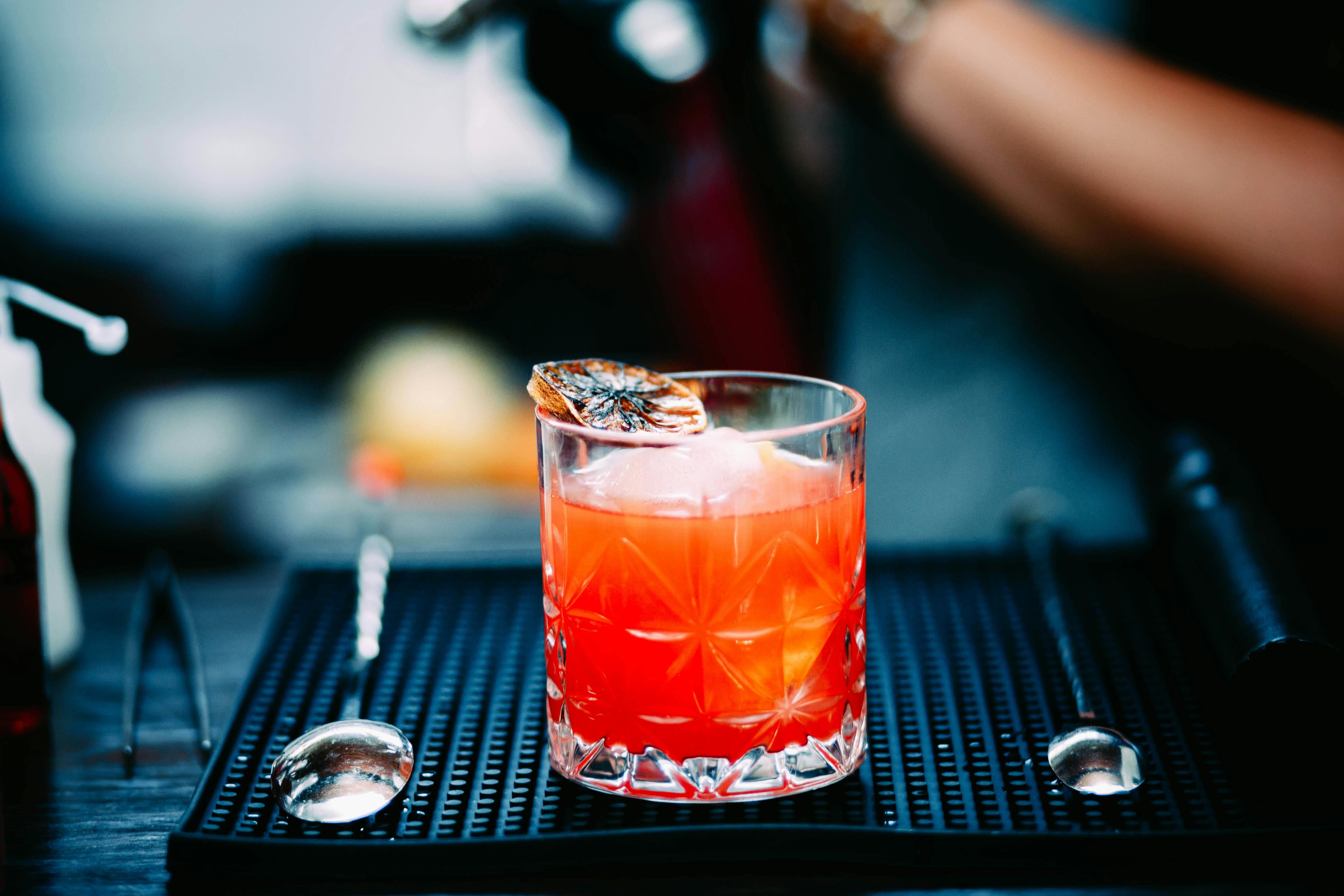
If the mocktail leans citrus, the garnish should amplify it. If it leans herbal, let that herb lead the nose. If the drink has depth and spice, a charred peel or dehydrated slice can reinforce that complexity.
Aroma creates anticipation. Anticipation shapes taste.
That’s not aesthetic styling. That’s sensory design.
Complexity Without Excess
There’s a common mistake in alcohol-free drinks. When alcohol is removed, people often overcompensate by adding more ingredients. More fruit. More syrup. More sweetness.
Complexity isn’t about volume. It’s about layering.
A small amount of bitterness can anchor sweetness. A subtle herb can lift citrus. A hint of spice can create warmth without heat.
Alcohol once acted as a carrier for aroma and a backbone for bold flavors. Without it, we need to be more intentional about how flavors interact. The goal isn’t to replicate the burn of whiskey or the bite of gin. It’s to build a drink that feels layered enough to sip slowly.
A great mocktail gives your palate something to explore. It unfolds slightly. It doesn’t announce itself all at once.
And that exploration is what keeps you engaged.
The Real Measure of a Great AF Cocktail
In the end, what makes a AF cocktail great isn’t whether it mimics a cocktail. It’s whether it feels intentional.
Does it invite you to slow down?
Does it feel balanced and complete?
Does it hold its shape as you sip it?
Does it respect the ritual of the evening drink without relying on intoxication to make it meaningful?
A great mocktail isn’t a substitute. It’s a standard.
When you build with balance, temperature, structure, aroma, and layered complexity in mind, you don’t feel like you’re missing something. You feel like you chose something better.
That’s the difference.
And that’s what we’re building here in Cr(af)ted.
If you’re rethinking what belongs in your glass, you’re in the right place. Subscribe to Cr(af)ted.